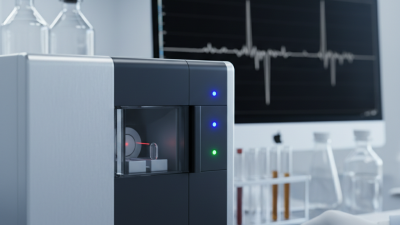
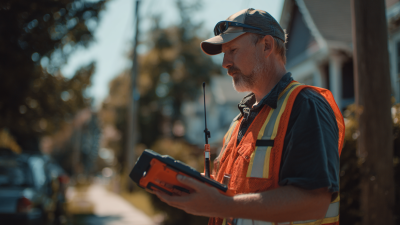
When it comes to gas detection, the FTIR Gas Detector really is a game-changer for making sure industries stay safe and follow the rules. I remember talking with Dr. Alice Thompson from SpectraTech—she’s pretty much an industry legend—and she said, “The FTIR Gas Detector keeps revolutionizing how we monitor gases.” Honestly, her words highlight just how powerful this tech is for spotting dangerous gases with great precision.
As environmental concerns keep growing worldwide, picking the right FTIR Gas Detector becomes more important than ever. The market’s pretty crowded with all sorts of options, which can make choosing the right one feel overwhelming. You definitely want to look at things like sensitivity, how easy it is to calibrate, and the range it can handle. It’s also smart to think about whether the detector suits your specific needs so you get the best results. With so many choices out there, not every detector hits the mark in terms of quality. So, it’s crucial to go for trusted manufacturers you can rely on.
Even with all these exciting advancements, there are still some hurdles. Environmental factors—like humidity, temperature, or dust—can mess with how well the detector works. That’s why regular maintenance is a must, to keep everything running smoothly and accurately. As the industry keeps evolving, staying educated and aware of how to use these detectors properly is more important than ever. This guide is here to help buyers everywhere understand what to look for and how to make smarter choices in a pretty complex market.
What is an FTIR Gas Detector and How Does It Work?
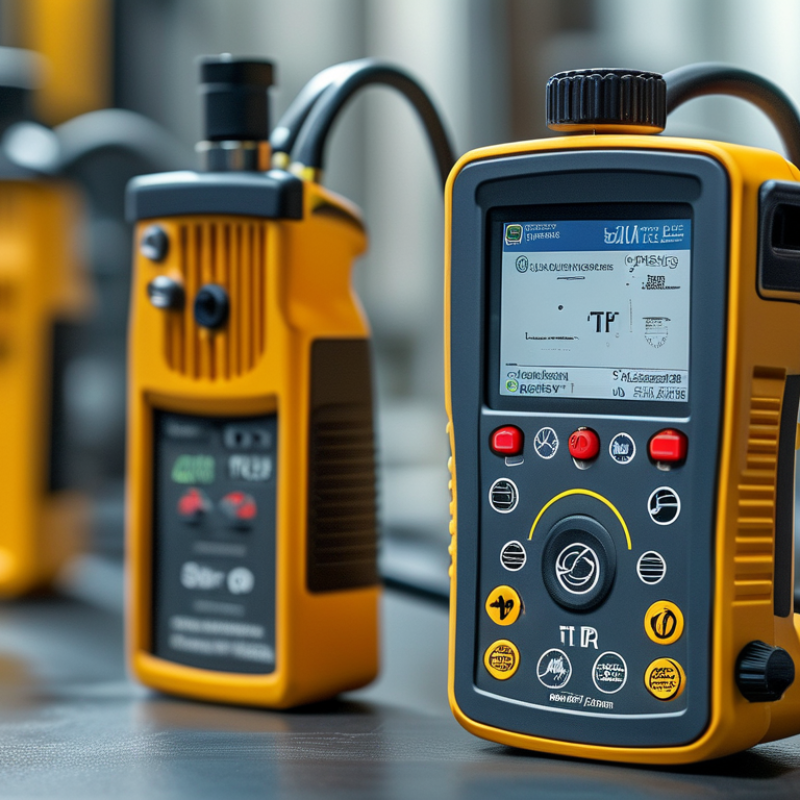
FTIR gas detectors are sophisticated instruments used to identify and measure various gases in the environment. They rely on Fourier-transform infrared spectroscopy (FTIR) technology, which analyzes the light absorbed by gas molecules. This technique allows for the identification of specific gases based on their unique absorption patterns. The versatility of FTIR makes it essential in many applications. Industries such as environmental monitoring, manufacturing, and safety rely on accurate gas detection.
Gas detectors for natural gas are particularly crucial. Natural gas poses risks, including explosions and health hazards when leaked. Understanding how FTIR technology detects these gases can make a difference. The detector transmits infrared light through a sample. Changes in the intensity of light at specific wavelengths indicate the presence of certain gases. This method provides precise measurements, essential for ensuring safety.
Users must be aware of the limitations. Environmental factors can influence readings. Interference from other gases may occur, leading to false positives. Regular calibration and maintenance are necessary for accuracy. Additionally, understanding the specific gases present in your environment is crucial. This knowledge aids in selecting the right detector for your needs. FTIR gas detectors offer a powerful tool, but thoughtful consideration of their application is key.
Key Features to Consider When Buying an FTIR Gas Detector
When considering an FTIR gas detector, it's important to focus on key features that can enhance your detection capabilities. One major aspect is the sensitivity of the device. A highly sensitive detector can identify trace gas concentrations, enabling early warning systems. Look for detectors with a lower detection limit to ensure precision in various environments.
Another crucial feature is the range of detectable gases. Some detectors can identify a wide spectrum of gases, while others may have limitations. Having a versatile detection capability allows for greater applications in various industrial settings. Additionally, consider the calibration frequency. Regular calibration ensures accurate readings and reliable data over time.
Portability is also worth evaluating. A lightweight model may be advantageous for fieldwork, but it could compromise some detection features. Reflect on the trade-off between portability and functionality. Battery life is another practical consideration; longer battery operation ensures less downtime during critical missions. When choosing your FTIR gas detector, always weigh these factors carefully to align with your specific needs.
Types of FTIR Gas Detectors Available in the Market
FTIR gas detectors are essential tools in various industries. They help identify gas emissions, ensuring safety and compliance with regulations. Currently, there are several types available in the market, each designed for specific applications.
One popular type is the portable FTIR gas detector. This device allows for on-site measurements in environments like industrial sites or research labs. Portable units often have a user-friendly interface, making them accessible for fieldwork. According to a 2022 industry report, demand for portable units is expected to grow by 15% annually.
Another type is the fixed FTIR gas detector, which is installed in a specific location. These units continuously monitor gases and provide alerts in real-time. They are widely used in chemical plants where hazardous gas detection is critical. Some fixed models support multiple gas analysis simultaneously, enhancing their utility.
Tips: Regular calibration is vital for accuracy. Review manufacturer guidelines to maintain optimal performance. Training for users can minimize errors in gas detection. Investing in these practices improves reliability and safety.
Choosing the right FTIR gas detector can be challenging. Consider factors like sensitivity, detection range, and application. Not all detectors will meet every need perfectly. Assess your specific requirements before making a decision.
2026 FTIR Gas Detector Market Analysis
Top Brands and Manufacturers of FTIR Gas Detectors
When purchasing FTIR gas detectors, understanding the top brands and manufacturers is essential. Many offer various features tailored for different applications. Look for detectors that provide accurate Ftir Gas Analysis, which is crucial in environments where gas detection is paramount. Reliable performance often stems from the quality of sensor technology used by various manufacturers.
Tips: Check reviews and user feedback. This helps gauge product reliability. Explore specifications to ensure the device fits your specific needs.
The market has established leaders, but emerging brands should not be overlooked. Innovative technologies can often provide unique advantages. Consider factors such as the ease of use, maintenance requirements, and accuracy. Sometimes, popular options may not perform as expected under specific conditions.
Tips: Always compare multiple options before making a decision. Testing different models can reveal unexpected strengths or weaknesses. Pay attention to warranty and support services.
2026 FTIR Gas Detector Buying Guide for Global Buyers
| Detector Type | Measurement Range | Sensitivity | Response Time | Operating Temperature | Features |
| Portable FTIR Detector | 0-5000 ppm | 1 ppm | |
-10°C to 50°C | Real-time analysis, Data logging |
| Fixed FTIR Detector | 0-10000 ppm | 0.5 ppm | |
-20°C to 55°C | Automated alerts, Remote monitoring |
| Handheld FTIR Detector | 0-2000 ppm | 0.1 ppm | |
-5°C to 45°C | Compact design, Easy calibration |
Common Applications for FTIR Gas Detectors in Various Industries
FTIR gas detectors play a crucial role in various industries. They are commonly used in environmental monitoring, ensuring air quality for safe workplaces. These detectors can identify multiple gases simultaneously. This capability is vital for industries like oil and gas, chemical manufacturing, and food processing. In oil and gas, monitoring leaks helps prevent environmental disasters.
Another significant application is in research laboratories. FTIR gas detectors assist scientists in analyzing gas compositions. They help maintain safety standards during experiments. In the food industry, these detectors ensure that products meet safety regulations. They can detect unwanted contaminants in production processes.
However, users must recognize limitations. Calibration can be complex and may require regular maintenance. Detection sensitivity can also vary depending on environmental conditions. This inconsistency can lead to inaccurate readings. Proper training is essential for reliable usage. Understanding these nuances helps in making informed decisions when purchasing FTIR gas detectors.
Maintenance and Calibration Essentials for FTIR Gas Detectors
When it comes to FTIR (Fourier-transform infrared) gas detectors, maintenance and calibration are crucial. These devices require regular check-ups to ensure accurate measurements. Calibration should ideally be done every six months. However, environmental factors may necessitate more frequent adjustments. Dust and temperature variations can affect performance. Regular maintenance helps prevent potential inaccuracies.
Calibration involves using known reference gases. This process ensures that the detector's readings remain reliable. Any drift in measurement can lead to unsafe conditions. Routine checks can catch these issues early. Users often overlook the importance of keeping records of calibration dates and results. Such documentation is vital for adherence to safety regulations.
Proper cleaning of the detector is another key aspect of maintenance. Accumulated residue can interfere with gas detection. It is necessary to follow the manufacturer's guidelines for cleaning. Neglecting this can result in inconsistent readings. Users must reflect on their maintenance routine. Are these practices being followed consistently? Ensuring a robust schedule for both calibration and maintenance will support optimal performance of FTIR gas detectors.
Cost Considerations and Budgeting for FTIR Gas Detectors
When considering the purchase of FTIR gas detectors, budgeting becomes crucial. These detectors vary widely in price, influenced by sensitivity, technology, and features. It's essential to assess your specific needs to avoid overspending on unnecessary capabilities. Researching average costs helps set a realistic budget. Allocate additional funds for maintenance or potential upgrades.
Tips: Always consider the total cost of ownership. This includes not just the purchase price, but also operation and maintenance costs over time. Many buyers overlook this, leading to unexpected expenses. Engaging a skilled technician for installation can also minimize future complications.
Investing in a Laser Gas Detector often comes at a premium. However, the added precision and reliability make it worthwhile for critical applications. Weigh the benefits against your budget constraints. Think about potential savings on false positives and enhanced safety. Each feature should align with your operational needs.
Innovative Handheld 2 in 1 FTIR and Raman Spectrometer for Efficient Onsite Testing of Over 22,000 Substances
The innovative handheld 2 in 1 FTIR and Raman spectrometer represents a significant advancement in onsite analytical testing, enabling users to efficiently identify over 22,000 different substances. This highly integrated device combines both Fourier Transform Infrared (FTIR) spectroscopy and 2D surface scanning Raman capabilities, making it a versatile tool for a wide range of applications. Its compact and lightweight design ensures that professionals can easily carry it for mobile enforcement tasks and rapid field analysis.
The spectrometer is engineered for reliability and accuracy, featuring a dual verification system that minimizes the risk of false alarms. This feature is particularly crucial for users who require dependable results in challenging environments. Whether for environmental monitoring, safety inspections, or material identification, this handheld device empowers professionals to make informed decisions swiftly and effectively.
Manufactured to the highest standards, the equipment offers durability and performance, making it an ideal choice for those in need of portable and efficient detection solutions. With the capability to scrutinize a vast array of materials, users can confidently undertake onsite tests, ensuring safety and compliance with industry standards.
FAQS
: Calibration should ideally be done every six months.
Dust and temperature variations can significantly impact their performance.
Regular maintenance helps prevent inaccuracies in measurements and ensures reliable performance.
Use known reference gases during calibration to maintain accuracy.
Keep records of calibration dates and results to adhere to safety regulations.
Residue can interfere with readings, leading to inconsistent results.
Users must question if their maintenance practices are consistently followed.
Yes, emerging brands can offer innovative technologies and unique advantages.
Test different models to identify unexpected strengths or weaknesses.
Follow the manufacturer's cleaning guidelines and adhere to a robust maintenance schedule.
Conclusion
The 2026 FTIR Gas Detector Buying Guide provides potential buyers with essential insights into FTIR gas detectors, showcasing how these advanced devices operate through the principles of Fourier-transform infrared spectroscopy. The guide emphasizes key features to consider, such as sensitivity, range, and portability, which are crucial in selecting the right detector for specific needs.
Additionally, it explores various types of FTIR gas detectors available on the market, common applications across different industries, and the importance of regular maintenance and calibration to ensure optimal performance. Financial aspects, including cost considerations and effective budgeting for purchasing FTIR gas detectors, are also discussed, helping buyers make informed decisions. Overall, this comprehensive guide serves as a valuable resource for anyone looking to invest in FTIR gas detection technology.