You know, in the oil and gas world, safety really is everything. Having solid oil and gas leak detection systems isn't just a good idea—they’re absolutely essential to avoid disasters. I mean, Dr. Emily Thompson from PetroSafe Technologies puts it perfectly when she says, "Proper leak detection can save lives and protect the environment." And honestly, her words hit home because in this industry, stakes are high, and every second counts.
But, here’s the thing—if leak detection systems fail, the consequences can be devastating. Oil spills mess up ecosystems and can really hurt public trust in energy companies. Sure, technology keeps improving, but it’s not foolproof. Old-school methods still exist, and relying on them can mean missing leaks altogether. That’s why companies really need to keep their systems in check and stay on top of new innovations.
And let’s not forget about training. Having the best tools is just part of the puzzle. Employees need to know how to use them properly, otherwise, it’s kinda pointless. Regular drills, updated training, all those things help build a safety-first mindset. At the end of the day, the whole idea is pretty simple—reduce risks and safeguard both people and the planet, all thanks to reliable leak detection systems. It's about staying proactive and making safety a real priority from top to bottom.
Importance of Oil and Gas Leak Detection in Industrial Safety
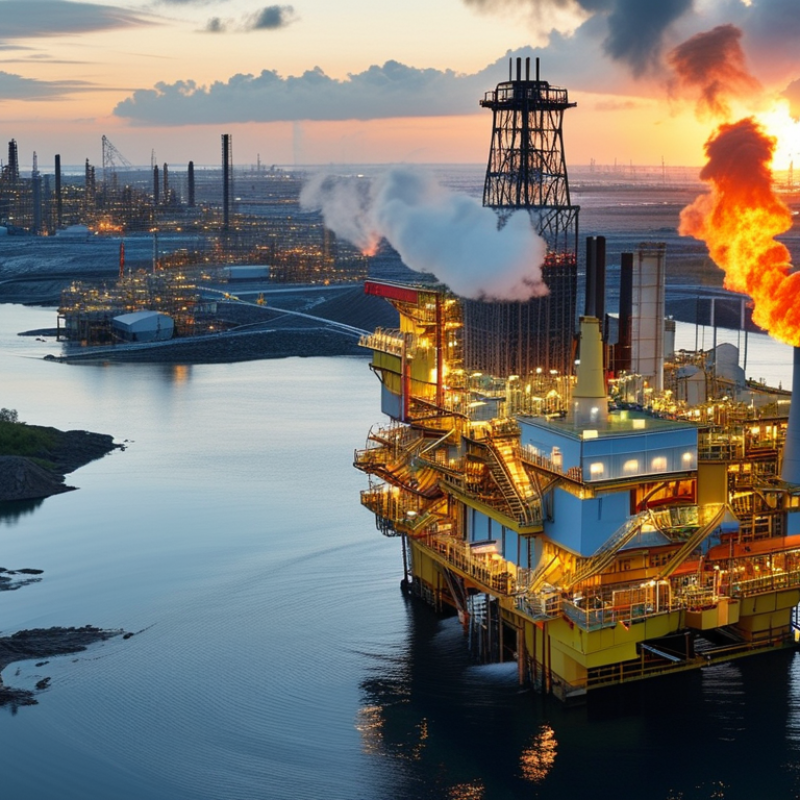
Industrial safety relies heavily on effective oil and gas leak detection. The consequences of undetected leaks can be severe, resulting in hazardous situations. According to the US Environmental Protection Agency, in 2020 alone, over 40,000 oil spills were reported in the U.S. These incidents can lead to disasters if not managed properly. Proper detection systems can mitigate these risks significantly.
Integrating advanced Oil And Gas Monitoring technologies can enhance safety protocols. Implementing regular inspections and real-time monitoring systems can catch leaks early. Reports show that facilities with automated detection systems can reduce risks by up to 70%. These systems allow for immediate response, protecting both workers and the environment from harmful exposure.
**Tips:** Regular training for staff on leak detection is crucial. Ensure employees understand how to use monitoring systems effectively. Also, establish a routine maintenance schedule for detection equipment to prevent unexpected failures. Investing in development and updates can greatly reduce risks associated with oil and gas leaks.
Types of Leaks and Their Potential Hazards in Oil and Gas Operations
Oil and gas operations can experience various types of leaks. Each type presents unique hazards that demand effective detection methods. There are liquid leaks, gas leaks, and even vapor releases. Liquid leaks may occur from pipelines or storage tanks. When oil spills happen, they pose environmental risks. Cleanup can be costly and difficult.
Gas leaks can be just as dangerous. They can arise from faulty equipment or damaged pipes. Methane, for instance, is a potent greenhouse gas. It also has explosive potential when mixed with air. Detecting these leaks promptly is vital to ensure worker safety and prevent environmental disasters.
Vapor leaks, often overlooked, can lead to serious health risks. Harmful chemicals can seep into the air, affecting nearby communities. This can result in long-term exposure effects. In many cases, traditional detection methods are insufficient. A proactive approach to leak detection is critical. It requires regular inspections and advanced monitoring technology to identify potential hazards early. The challenge is to implement these strategies effectively while balancing cost and efficiency.
Technological Advances in Leak Detection Solutions
Recent advancements in technology have significantly enhanced oil and Gas Leak Detection solutions. These progressions help identify leaks quickly and accurately, minimizing risks to human safety and the environment. The use of infrared cameras and acoustic sensors has transformed the industry. Studies show that early detection can reduce the impact of leaks by up to 80%. However, not all companies have adopted these technologies. This gap raises concerns about safety practices in various sectors.
Additionally, the integration of artificial intelligence (AI) in gas leak detection is promising. AI can analyze large datasets in real time, improving response times to potential leaks. Sensors equipped with machine learning algorithms can differentiate between normal operations and anomalies. A report indicated that using AI could save the industry millions of dollars annually by preventing leaks before they escalate. Yet, reliance on technology is not foolproof. Human oversight remains crucial, as algorithms can sometimes misinterpret data.
Despite these advantages, challenges persist in fully implementing advanced leak detection systems. Not every facility has the budget for the latest technology. Training personnel is also essential for effective gas leak detection. With proper investment and training, the benefits could outweigh the costs significantly. The industry must evaluate its approach to safety continuously.
Oil and Gas Leak Detection Technologies: Effectiveness Over Time
The chart above illustrates the increase in detection accuracy of oil and gas leak detection technologies over the years from 2015 to 2023. This enhancement in effectiveness is crucial for ensuring safety in the industry.
Regulatory Standards Governing Leak Detection and Safety Protocols
Effective oil and gas leak detection is crucial for maintaining safety across the industry. Regulatory standards play a key role in shaping detection practices. In the United States, the Environmental Protection Agency (EPA) mandates strict compliance with leak detection regulations. For instance, the Clean Air Act requires regular monitoring systems for emissions management. This ensures early leak detection and response.
The industry faces challenges in meeting these standards. A 2022 report by the American Petroleum Institute highlighted that 30% of operators struggled to implement effective monitoring systems. This gap raises concerns about the reliability of safety protocols. Many operators still rely on outdated technologies that fail to provide real-time data.
In a world increasingly aware of environmental impacts, the importance of compliance cannot be overstated. Research shows that effective leak detection systems can reduce spill incidents by up to 90%. Moreover, adopting advanced technologies, like drone surveillance and artificial intelligence, can enhance safety. However, the transition is often slow and complex. Every incident highlights the need for continuous improvement and adaptation to regulations.
Case Studies: Consequences of Neglecting Leak Detection Practices
In the oil and gas industry, delaying leak detection can lead to dire consequences. A significant incident occurred in 2010, when a pipeline leak released 4.9 million barrels of oil into the Gulf of Mexico. The disaster underscored the importance of effective leak detection. Research shows that early detection can reduce spill volume by over 90%. Yet, many operators still struggle to implement reliable Gas Line Leak Detection systems.
Inadequate leak detection can also have severe financial impacts. The U.S. Environmental Protection Agency (EPA) estimates that oil spills cost the economy around $1.5 billion annually. Shell’s 2011 report indicated that the company faced losses exceeding $290 million due to inadequate leak management. Additionally, workers’ safety is compromised. A study revealed that accidents related to gas leaks can lead to injuries or fatalities, with one incident resulting in the death of 15 workers.
Neglecting leak detection not only endangers lives but damages public trust. Companies must reevaluate their practices. The technology exists, yet implementation remains inconsistent across the industry. Investing in new technologies for Gas Line Leak Detection is crucial for operational integrity and environmental safety.
Best Practices for Implementing Effective Leak Detection Systems
Effective leak detection systems are vital for the oil and gas industry. They help prevent unsafe situations. Regular checks and advanced technologies can enhance these systems. Sensors and monitoring tools should be strategically placed. This ensures complete coverage and quick response.
Training personnel is equally important. Well-trained staff can identify anomalies fast. Regular drills can keep the team sharp, helping them react promptly. Even small leaks can lead to larger issues. This reality emphasizes the need for a proactive approach.
The integration of analytics into leak detection can improve safety measures. Data can reveal trends that indicate potential leaks. However, companies must remember that no system is foolproof. Continuous improvement and adaptation are necessary. Embracing feedback helps refine these systems. Mistakes offer learning opportunities.
Future Trends in Leak Detection for Enhanced Operational Safety
The future of leak detection in the oil and gas industry is increasingly focused on advanced technologies. With the rise of IoT and AI, leak detection systems are becoming smarter and more efficient. According to recent reports, implementing AI-driven detection can enhance leak identification rates by over 30%. This significant improvement means safer operations for companies and communities alike.
Modern sensors and Gas Leak Detection Devices are crucial for early leak identification. They can detect minute changes in pressure and gas concentrations, often before a leak becomes hazardous. Studies indicate that using these advanced devices can reduce environmental risks up to 50%. However, the challenge remains in integrating these technologies effectively across existing infrastructures. Many legacy systems still lack compatibility with new innovations, which can hinder overall safety efforts.
Additionally, the industry is witnessing a shift towards predictive maintenance. This proactive approach uses data analytics to foresee potential failures. Reports suggest that firms employing predictive maintenance reduce their emergency incidents by nearly 25%. But, this requires a cultural shift within organizations. Employees must be trained in using new tools and understanding their importance. Reflection on these challenges will drive the evolution of safety protocols in gas and oil operations.
Enhancing Factory Safety: Insights from Recent Reports on China Passive Fixed FTIR Standoff Gas Sensing Systems
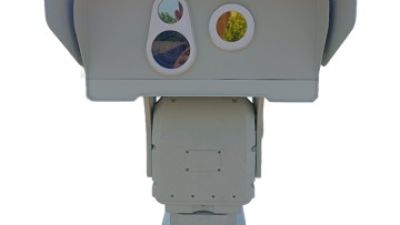
In today’s industrial landscape, ensuring safety at manufacturing facilities is of paramount importance. The recent reports on China’s passive fixed FTIR standoff gas sensing systems highlight the need for advanced technologies that enhance factory safety. These innovative systems are specifically engineered for continuous surveillance, employing a fixed gas detection mechanism that provides comprehensive coverage over a significant radius, typically between 3 to 5 kilometers. By strategically placing these systems at elevated points, industrial operations can benefit from uninterrupted monitoring, ensuring that any hazardous gas emissions are identified promptly.
The capabilities of modern gas detection systems are extensive, allowing for the quick identification of over 500 different gases, including toxic and flammable substances. These systems not only provide qualitative assessments of air quality but also quantify gas levels, presenting real-time results through user-friendly graphical displays. Such functionality is crucial for effective on-site monitoring and response planning, thereby reinforcing the safety protocols of industrial facilities. By employing these advanced detection systems, manufacturers can enhance their operational reliability, significantly reducing the risk of accidents and ensuring a safer work environment.
FAQS
: They help prevent unsafe situations and environmental disasters.
Many use outdated technologies that cannot provide real-time data.
Research shows that it can reduce spills by up to 90%.
Drone surveillance and artificial intelligence can greatly enhance safety.
Oil spills can cost the economy around $1.5 billion annually.
Well-trained staff can quickly identify anomalies and respond effectively.
No system is perfect, so continuous improvement is essential.
It can reveal trends that help identify potential leaks early.
Delaying detection can lead to financial losses, injuries, and environmental harm.
Reassessing practices and investing in new technologies can enhance credibility.
Conclusion
Effective Oil and Gas Leak Detection is crucial for ensuring safety within industrial operations. As the potential hazards associated with different types of leaks can include environmental damage, safety risks to personnel, and significant financial loss, robust leak detection systems are essential. Recent technological advancements have led to enhanced solutions that improve the accuracy and reliability of leak detection. Furthermore, adherence to regulatory standards and safety protocols is vital for compliance and risk mitigation.
Case studies highlighting the severe consequences of neglecting leak detection practices underscore the need for best practices in implementing these systems. As the industry evolves, future trends indicate a move towards more integrated and intelligent leak detection solutions, ultimately leading to enhanced operational safety. Emphasizing the importance of Oil and Gas Leak Detection is fundamental in addressing these challenges and ensuring the well-being of both workers and the environment.