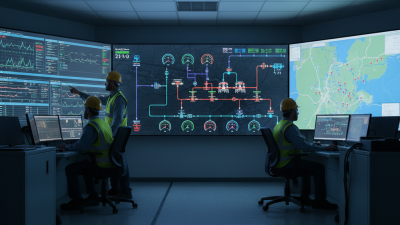
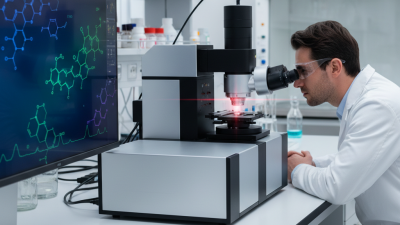
In the fast-changing world of Oil and Gas Monitoring, staying on top of things really means having precise and dependable solutions. Michael Johnson, who's a pretty well-known expert and consultant at Energy Solutions Inc., puts it simply: “Effective monitoring is really the backbone of getting things done safely and efficiently.” That says a lot about how crucial proper monitoring is for keeping operations smooth and safe.
The tech behind monitoring has come a long way. Nowadays, we’ve got real-time data analysis, fancy sensors—you name it. It’s transforming how companies handle their operations. But here’s the tricky part: actually integrating all this new tech without headaches isn’t always straightforward. Many firms are still stuck with old systems, which makes them miss out on important data and insights. That can lead to unnecessary risks and less efficiency. So, it’s super important to stay alert and keep up with these technological advances.
On top of that, investing in the right monitoring tools can really pay off. Better resource management means not only boosting sustainability but also increasing profits. Of course, though, lots of organizations find it challenging to put these new systems into action. They might face resistance from staff or simply lack the proper training. Reflecting on these hurdles can help them adopt smarter practices in Oil and Gas Monitoring and get the most out of their investments.
Understanding the Importance of Oil and Gas Monitoring Solutions
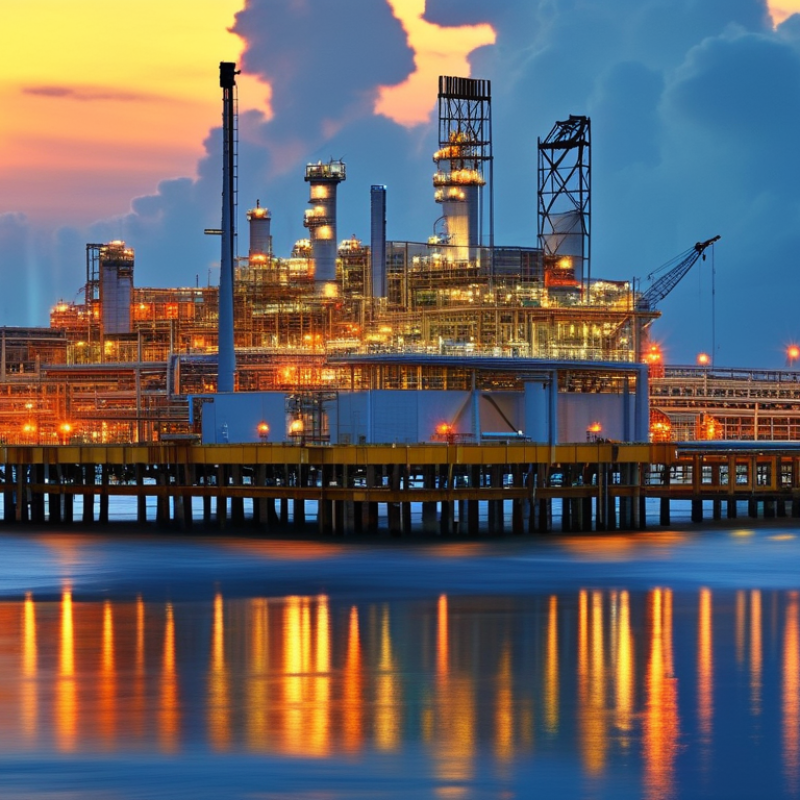
Monitoring solutions in the oil and gas sector are vital for ensuring safety and efficiency. According to a report by the International Energy Agency, poor monitoring can lead to substantial losses, with up to 10% of production potentially lost due to leaks and equipment failures. Effective monitoring not only mitigates financial risks but also aligns with environmental regulations.
Data analytics has transformed oil and gas monitoring. Real-time data collection allows for immediate responses to equipment anomalies. Systems utilizing IoT technology can enhance predictive maintenance, reducing downtime by 20% according to recent industry studies. The challenge remains in integrating these advanced systems within existing infrastructures. Training personnel to effectively use these technologies is essential. Investing in staff development can often be overlooked yet is crucial for long-term gains.
Furthermore, regulatory compliance adds another layer of complexity. Companies face strict guidelines on emissions and standard operations. Failure to comply could lead to hefty fines. Implementing robust monitoring solutions can therefore not only ensure adherence but also enhance operational efficiency. Ongoing evaluation of these systems is needed to address evolving challenges in the field. Regular audits can highlight weaknesses and areas for improvement.
Key Technologies in Oil and Gas Monitoring Systems
Effective oil and gas monitoring systems rely on advanced technologies to ensure efficiency and safety. Sensors play a critical role in these systems. They continuously collect data on pressure, temperature, and flow rates. By using these sensors, companies can detect anomalies early on. This proactive approach minimizes risks, which can save lives and reduce costs. However, sensor data can be overwhelming. Companies must invest in proper data management solutions to analyze and interpret this information effectively.
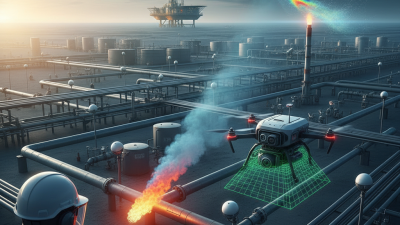
Another key technology is the use of drones. Equipped with thermal imaging and gas detectors, drones can inspect pipelines and rigs from the air. This capability allows operators to cover vast areas quickly. However, drone technology still faces challenges, such as regulatory hurdles and limited battery life. Continued advancements in drone technology are crucial for enhancing their reliability.
Moreover, remote monitoring systems have gained popularity. These systems provide real-time insights into operations from anywhere. However, they often require robust cybersecurity measures. Protecting sensitive data against cyber threats is vital for operational integrity. As the industry evolves, integrating these technologies into a cohesive monitoring strategy is essential for sustainability and innovation.
Data Collection Methods for Effective Monitoring in the Oil Industry
In the oil industry, effective monitoring relies heavily on robust data collection methods. Sensor technology plays a crucial role in gathering real-time data from various sources.
These sensors can monitor pressure, temperature, and flow rates. However, they are not infallible. Calibration is key to ensuring accurate readings. Regular maintenance of these devices is essential to avoid discrepancies.
Another significant method is remote sensing. Drones and satellite imagery provide valuable insights into large areas efficiently. This technology identifies potential leaks or environmental impacts.
However, processing the data can be challenging. Analysts must be trained to interpret the information correctly. Visually identifying anomalies is not always straightforward.
On-site surveys add another layer to data collection. Field workers analyze operations firsthand. This human element can spot issues that machines may miss. Yet, it is subject to human error.
The experience of workers is invaluable, but it requires ongoing training. As the industry evolves, data collection methods must adapt. Continuous improvement ensures that monitoring remains effective and reliable.
Analyzing Data: Tools and Techniques for Enhanced Insights
Data analysis is crucial in the oil and gas industry. Utilizing modern tools can greatly enhance insights from voluminous datasets.
Techniques such as predictive analytics can forecast equipment failures, aiding in maintenance schedules. Visualizations help interpret complex data, making it more accessible.
Integrating IoT devices allows real-time monitoring of operations. Data collected from these devices provides valuable information, but it can often be overwhelming.
Analysts need to focus and prioritize key metrics. Setting clear goals can help streamline the process, ensuring that efforts yield actionable insights.
Human expertise is still essential. Automated tools can highlight trends, but they lack context.
Experienced professionals can provide critical analysis, interpreting data effectively. Finding the perfect balance between technology and human insight is a challenge.
Continuous improvement in data analysis techniques is necessary to remain competitive in this ever-evolving sector.
Implementing Real-Time Monitoring for Improved Decision Making
Implementing real-time monitoring in the oil and gas sector can significantly enhance decision-making efficiency. By utilizing advanced technologies, companies can track operations continuously, allowing for swift responses to any anomalies. Real-time data helps in assessing reservoir conditions, equipment performance, and environmental impacts. Monitoring flow rates or pressure changes can reveal early signs of potential issues, ensuring timely interventions.
However, integrating such systems is not without challenges. Many organizations may struggle with data overload, where excessive information becomes counterproductive. It's essential to filter the data intelligently to focus on key performance indicators that drive decision-making. Engaging skilled professionals who understand both technology and the industry is crucial for the successful implementation of monitoring solutions. Their expertise helps navigate the complexities and assures reliable data assessment.
Regular training and updates for team members who operate these systems can also influence effectiveness. A lack of knowledge about new tools or techniques can lead to missed opportunities for optimization. Companies should foster a culture of continuous learning, encouraging staff to adapt to evolving technologies in monitoring practices. Embracing real-time monitoring can transform operations but requires committed effort at every level of the organization.
Top Tips for Effective Oil And Gas Monitoring Solutions - Implementing Real-Time Monitoring for Improved Decision Making
| Tip |
Description |
Benefits |
Implementation Tools |
| Data Integration |
Combine data from various sources for a holistic view. |
Improved accuracy and insights for decision making. |
Data management platforms, API connections. |
| Real-Time Analytics |
Utilize analytics tools to process data instantly. |
Faster responses to operational changes. |
Analytics software, machine learning frameworks. |
| Mobile Access |
Ensure monitoring solutions are accessible on mobile devices. |
Enhances flexibility and decision-making on the go. |
Mobile applications, responsive web design. |
| Collaboration Tools |
Implement tools for team collaboration on data insights. |
Improved teamwork and sharing of critical information. |
Collaboration platforms and communication tools. |
| Predictive Maintenance |
Use predictive algorithms to anticipate equipment failures. |
Reduced downtime and maintenance costs. |
IoT sensors, predictive analytics tools. |
Challenges in Oil and Gas Monitoring and How to Overcome Them
Monitoring oil and gas operations presents unique challenges. One major issue is data accuracy. Many systems collect data but do not verify it. This leads to incorrect conclusions and poor decision-making. Companies need to invest time and resources in reliable sensors and data validation methods to tackle this problem. Regular calibration of instruments is essential. Without it, measurements can drift over time, undermining trust in the entire monitoring system.
Another significant challenge is the integration of various technologies. Many facilities use multiple systems, often lacking interoperability. This can create data silos. Addressing this requires a comprehensive strategy that focuses on integrating disparate systems into a unified platform. Training staff to use these integrated systems effectively is equally important. Communication is often the root cause of inefficiencies; enhancing team collaboration can provide clearer insights.
Cybersecurity is also a growing concern. Increasing connectivity brings risks. Companies must implement robust security measures to protect sensitive data. Regular audits and updates to security protocols can help safeguard against potential breaches. It’s a constant battle, requiring ongoing attention and investment. Adopting a proactive approach ensures that monitoring solutions not only meet current needs but also adapt to future challenges.
Monitoring Challenges in the Oil and Gas Industry
This chart displays the primary challenges faced in oil and gas monitoring, along with their respective percentages detailing the significance of each challenge. Understanding these factors can help in developing effective monitoring solutions.
Best Practices for Maintaining and Upgrading Monitoring Solutions
Effective monitoring solutions in the oil and gas sector are crucial for operational efficiency and safety. To maintain and upgrade these systems, regular evaluations are essential. Conduct periodic reviews of monitoring software and hardware. This can identify any weaknesses or outdated technology. It's not uncommon for companies to overlook this area. Ensure that staff is trained on the latest technologies to maximize their potential.
Integration of new technologies can enhance monitoring capabilities. Utilizing advanced data analytics can provide deeper insights. However, the implementation process may encounter hurdles. Employees might resist changes or feel overwhelmed by new systems. It’s important to foster a culture of adaptation. Encourage feedback and open discussions about these upgrades. Sometimes, a small adjustment can yield significant improvements in tracking performance.
Establishing a routine maintenance schedule is vital. This not only prevents failures but also prolongs the lifespan of the equipment. A proactive approach can save costs in the long run. Companies might find that they focus too much on immediate profits, neglecting the long-term sustainability of their monitoring solutions. Balancing short-term and long-term objectives is key for effective management. Sustainable practices can lead to improved reliability and trust in monitoring systems.
FAQS
: Data analysis helps derive insights from large datasets, enhancing operational efficiency and decision-making.
Predictive analytics forecasts equipment failures, allowing companies to schedule maintenance accordingly.
Visualizations simplify complex data, making it more understandable for stakeholders.
IoT devices provide real-time data, enabling quick responses to operational anomalies.
Data overload can occur, making it hard to identify key performance indicators.
Experienced professionals provide context and interpretation that automated tools cannot.
Focusing on key metrics and setting clear goals helps streamline data analysis.
Lack of training for staff about new tools can lead to missed optimization opportunities.
Engaging skilled professionals and fostering a culture of continuous learning is essential.
A balance between technology and human insight is crucial for accurate data interpretation.
Conclusion
Effective Oil and Gas Monitoring is crucial for the safety, efficiency, and sustainability of operations in the industry. This article highlights the importance of implementing advanced monitoring solutions, including key technologies and data collection methods that enhance the accuracy and reliability of environmental assessments. It emphasizes the necessity of real-time monitoring systems for informed decision-making and discusses various analytical tools that offer deeper insights into operational performance.
The challenge of maintaining effectiveness in oil and gas monitoring is also addressed, offering strategies to overcome common issues. Best practices for ongoing maintenance and upgrades of monitoring solutions are presented, ensuring that organizations can adapt to evolving industry demands and technological advancements. By adopting these strategies, companies can significantly improve their oil and gas monitoring efforts, leading to optimized performance and risk management.