Lately, there's been a real rush to tackle methane emissions — and for good reason. As one of the most powerful greenhouse gases out there, methane really threatens our climate. I remember Dr. Li Wei, a top expert in Methane Emissions Detection, once pointed out, “Getting good at monitoring and detection is absolutely key to controlling leaks.” That kinda highlights just how important it is to have advanced detection tech working in China right now.
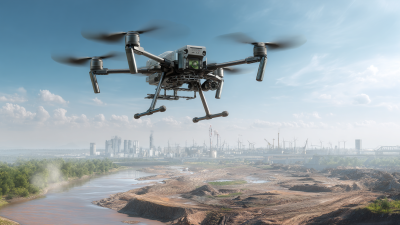
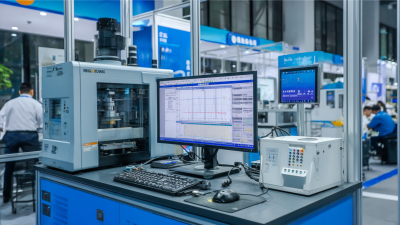
Over the past few years, innovations in methane detection have come a long way, and they’re pretty much crucial at this point. Companies like Ametek, Hexagon, and Teledyne have developed some pretty impressive technology aimed at making detection more accurate. Their tools help industries spot leaks quickly and respond effectively. With sensors and aerial data collection, we’re able to get real-time info on emissions, which gives us a much clearer picture of methane leaks happening out there.
Of course, it’s not all smooth sailing. Methane, by its very nature, can be tricky to detect. Things like weather conditions or environmental factors can sometimes throw off sensors or make detection more difficult. As China keeps pushing forward in this field, ongoing testing and refining are definitely needed. The bottom line? Finding effective ways to detect methane leaks isn’t just a tech challenge — it’s vital if we want a more sustainable future.
Overview of Methane Emissions in China: Current Statistics and Impact
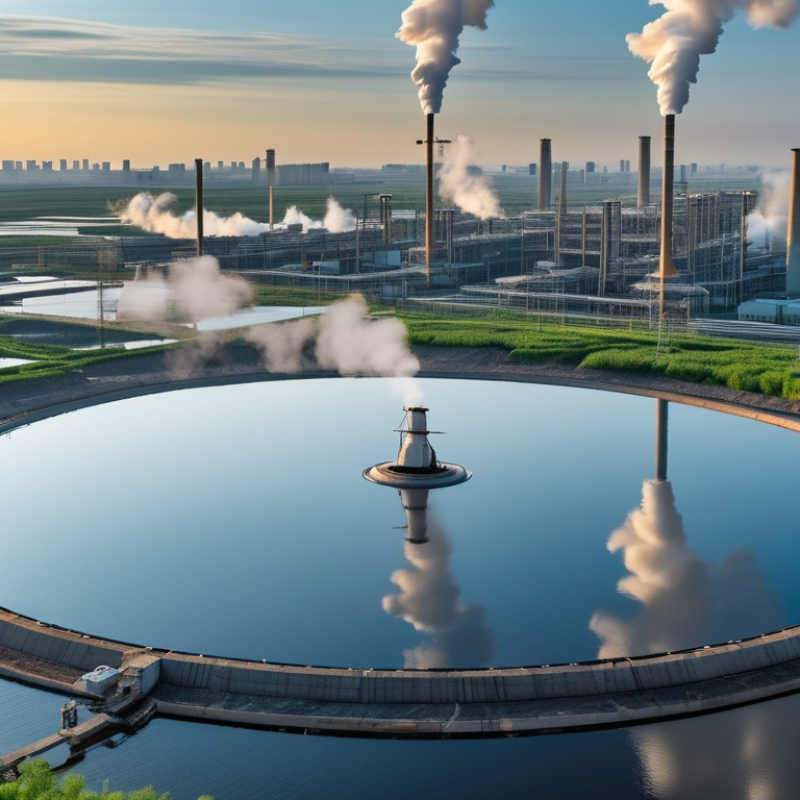
Methane emissions remain a critical environmental issue in China. Recent statistics reveal that methane is a powerful greenhouse gas, significantly contributing to climate change. The country has seen an alarming rise in emissions from various sources, including agriculture and industrial processes. Addressing these challenges is vital for China’s climate goals.
Many technologies are available for Methane Leak Detection. These include satellite monitoring, infrared cameras, and drone surveys. Implementing these tools can help identify leaks quickly and efficiently. However, the effectiveness of these technologies often depends on local conditions. Some technologies may not be suitable for all terrains or industrial setups, posing a challenge for widespread adoption.
The reliance on technology raises questions about its accessibility and accuracy. In some regions, the lack of trained personnel can hinder effective methane leak detection. Furthermore, there can be discrepancies in data collection methods. Without standardization, the data may not provide a complete picture. Thus, while technology plays a key role in addressing methane emissions, careful consideration is essential for its implementation and success.
Top 10 Methane Emissions Detection Technologies in China
This chart illustrates the estimated efficiency of various methane emissions detection technologies used in China. The data represents their detection effectiveness measured in percentage (%).
Importance of Detecting Methane Emissions in Environmental Management
Detecting methane emissions is crucial for effective environmental management. Methane is a potent greenhouse gas, contributing significantly to climate change. It is 25 times more effective at trapping heat in the atmosphere than carbon dioxide over a 100-year period. With increasing industrial activities in China, detecting these emissions has become a top priority.
In recent years, advancements in technology have made it easier to monitor methane levels. Innovative sensors and drones can capture data more accurately and in real-time. This helps in identifying leaks and sources of emissions promptly. However, the technology is not without its challenges. Some solutions require significant investments and trained personnel for proper implementation. Furthermore, there may be limitations in detecting methane in certain environments. Sustainable practices and ongoing research are necessary to refine these technologies.
Adopting efficient detection methods will improve the overall environmental strategy. However, awareness and education are equally important. Stakeholders must understand the implications of methane emissions and the importance of detection. Encouraging collaborative efforts between industries and researchers can drive sustainable progress in this area. It is essential to recognize that while technology can aid detection, a holistic approach to environmental management is vital for achieving long-term goals.
Top 10 Methane Emissions Detection Technologies in China
| Technology |
Detection Method |
Sensitivity Level |
Response Time |
Application Area |
| Infrared Spectroscopy |
Absorption of infrared light |
High |
Instant |
Industrial Facilities |
| Optical Gas Imaging |
Thermal imaging |
Moderate |
Seconds |
Oil and Gas |
| Laser-based Detection |
Lidar |
Very High |
Milliseconds |
Wide-open areas |
| Portable Gas Detectors |
Electrochemical sensors |
Low |
Minutes |
Field Surveys |
| Drone Surveillance |
Aerial imaging with sensors |
Moderate |
Real-time |
Remote Areas |
| Gas Chromatography |
Separation and analysis |
High |
Hours |
Laboratories |
| Satellite Detection |
Remote sensing technology |
Very High |
Days |
Global Monitoring |
| Flares Monitoring |
Visual and thermal imaging |
Moderate |
Immediate |
Energy Sector |
| Soil Gas Measurements |
Sample analysis |
Low |
Days |
Agricultural Areas |
| Acoustic Monitoring |
Sound wave detection |
Moderate |
Seconds |
Landfills |
Leading Technologies for Methane Detection: An Industry Perspective
China faces significant challenges in methane emissions detection. Various technologies have emerged as key players in this field. These technologies vary in their approach, effectiveness, and accessibility for different industries.
Optical sensors are widely used, leveraging light to detect methane levels. This method allows for real-time monitoring and quick response. Other technologies, like infrared cameras, provide visual data on emissions. They can identify leaks in pipelines or storage facilities. Handheld devices also play a role, offering flexibility for field inspections. Their portability allows operators to assess hard-to-reach areas.
Yet, the effectiveness of these technologies depends on proper implementation. Training personnel to use these tools effectively is crucial. Poorly calibrated devices can lead to inaccurate results. Additionally, budget constraints can limit access to advanced systems. The challenge lies in continually improving detection methods while ensuring they remain economically viable. This balance is essential for a comprehensive approach to methane emissions reduction in China.
Comparative Analysis of Optical and Acoustic Methane Detection Methods
The detection of methane emissions is crucial for environmental protection. Two primary methods dominate the field: optical and acoustic detection. Optical methods utilize infrared sensors to identify methane gas through light absorption. This technology allows for remote sensing and can cover large areas effectively. It is widely regarded for its sensitivity and accuracy.
On the other hand, acoustic detection employs sound waves to locate methane leaks. When methane escapes, it produces a unique sound signature. Acoustic methods can detect leaks that may be unnoticed by optical sensors. However, they may require closer proximity to the source, which can be a limitation.
When practicing Methane Detection Technology, consider the unique strengths of each method. Optical detection can handle broader ranges. Acoustic detection excels under certain conditions, especially in noisy environments. Balancing these approaches could enhance detection efficiency.
For successful implementation, frequent calibration of equipment is essential. Ensure that all sensors are regularly checked and maintained. The effectiveness of any detection technology relies on accurate readings. Always stay updated on technological advancements, as better solutions may emerge.
Innovations in Remote Sensing Technologies for Methane Emission Monitoring
Methane emissions pose a significant threat to the environment. Advanced remote sensing technologies are now critical for monitoring these emissions in China. According to a recent report, satellite-based systems can detect methane leaks from natural gas pipelines with an accuracy rate exceeding 90%. These technologies offer scalable solutions for emission tracking across large areas.
The application of technologies like hyperspectral imaging is gaining traction. These systems can identify methane at low concentrations, significantly enhancing detection capabilities. Research indicates that over 20% of methane emissions can go undetected with conventional methods. Remote sensing can identify these leaks in real-time, providing actionable data for swift response.
However, challenges remain. Data interpretation can be complex due to varying atmospheric conditions. Significant investment is required to improve sensor technologies and data processing capabilities. While progress is notable, ongoing research is essential to optimize these solutions. Enhanced technologies can pave the way for more effective environmental management in China.
The Role of Artificial Intelligence in Enhancing Methane Detection Accuracy
Artificial Intelligence (AI) is reshaping methane detection technologies in China. Recent studies indicate that AI can enhance the accuracy of
Methane Gas
leak detection by over 40%. Traditional methods rely heavily on conventional sensors, which often provide delayed results. AI algorithms analyze large datasets in real-time, identifying leaks more effectively.
Smart imaging techniques powered by AI also play a crucial role. These systems utilize machine learning to differentiate between methane gas and other gases or environmental factors. With an increasing number of sensors deployed, data accuracy improves significantly. A report from the Ministry of Ecology and Environment showed that AI-enhanced technologies could potentially reduce emissions by 15% in industrial sectors.
Reflecting on the progress, challenges remain. Not all AI systems are equally efficient. Some struggle with false positives, causing unnecessary alarms and wasting resources. Continuous refinement of algorithms is necessary to improve reliability.
Monitoring best practices is vital. Implementing regular calibration checks on AI systems ensures accuracy. Methane gas remains a focus due to its environmental impact. The urgency for precise detection is stronger than ever.
Regulatory Framework Supporting Methane Detection Technologies in China
China's regulatory framework for methane detection technologies is evolving rapidly. The government has recognized the importance of addressing methane emissions in various sectors. Policies are being implemented to support the development of innovative detection systems, including the Methane Laser technology. Such advancements aim to enhance environmental monitoring and compliance.
Recent regulations emphasize the need for accurate measurement and reporting of methane emissions. This means that industries must adopt reliable detection methods to avoid penalties. The introduction of advanced technologies encourages businesses to prioritize transparency and accountability. However, challenges remain in ensuring widespread adoption and understanding of these technologies among all stakeholders.
While regulations are in place, there is still a gap in awareness and education regarding methane detection. Many organizations may lack the necessary resources to transition effectively to new technologies. It's crucial for industries to share best practices and collaborate with research institutions. Continuous training and support will enhance the reliability of methane monitoring efforts, ensuring better environmental stewardship.
FAQS
: Methane is a potent greenhouse gas contributing significantly to climate change. Its impact is much stronger than carbon dioxide.
Technologies include optical sensors and acoustic methods. These innovations improve accuracy and help identify leaks quickly.
Some methods require high investment and trained personnel. Detection may also be limited in certain environments.
Optical methods use infrared sensors for remote sensing. Acoustic methods use sound waves but need proximity to the source.
Yes, calibration and regular checks are essential. Accurate readings are vital for effective methane monitoring.
Many organizations lack awareness and resources. Education is necessary to ensure compliance and effective implementation.
Sharing best practices among industries and researchers can drive better approaches. Collaboration fosters sustainability and effective monitoring.
No, a holistic approach is needed. Awareness and education about emissions are equally important for long-term solutions.
Continuous training ensures the reliable use of technologies. It enhances skills and helps organizations adapt to new detection methods.
Limitations in certain environments and technology challenges may hinder effectiveness. Ongoing research is crucial to overcome these issues.
Conclusion
In China, the detection of methane emissions has become increasingly critical due to the significant environmental impact of these emissions on climate change. The current statistics reveal alarming methane levels, highlighting the urgency for effective monitoring. This article explores various technologies employed for methane emissions detection, emphasizing the importance of these tools in environmental management.
Leading detection technologies include both optical and acoustic methods, which are examined through a comparative analysis. Innovations in remote sensing and the integration of artificial intelligence further enhance detection accuracy and efficiency. Additionally, a supportive regulatory framework in China is essential for promoting the adoption of advanced methane emissions detection technologies, ensuring better oversight and management of methane emission sources.