When it comes to fighting climate change, tackling Methane Leaks is more important than ever for global buyers. You see, methane is a really powerful greenhouse gas, and leaks from it can make global warming way worse. More and more companies are realizing just how much these leaks impact their sustainability goals. Luckily, there are smart strategies out there that can help organizations cut down on methane emissions and do their part.
But here’s the thing — global buyers need to step up and own their supply chain emissions. Sometimes folks overlook where methane leaks might be happening, especially during production or transport. The tricky part is figuring out exactly where those leaks are and then fixing them. Companies can’t just turn a blind eye anymore; they’ve got to be proactive. Luckily, new tech tools are coming to the rescue, making it easier to detect leaks and repair them before they do any more damage.
Reducing methane leaks isn’t something you can do alone — it takes teamwork across industries. Buyers and suppliers need to work together, assess where vulnerabilities might be, and come up with solid action plans. When everyone’s on the same page and accountable, we’re taking meaningful steps toward a healthier planet. Of course, it’s not all smooth sailing—there are challenges ahead, but reflecting on how we’re doing right now is a good first step towards making real change.

Understanding the Impact of Methane Emissions on the Environment
Methane, a potent greenhouse gas, is a significant contributor to climate change. According to the Global Methane Pledge, reducing global methane emissions by 30% by 2030 could help limit warming to 1.5 degrees Celsius. This goal is crucial, as methane has a warming potential over 20 years that is more than 80 times that of carbon dioxide. The urgency to address methane emissions is clear.
The oil and gas sector plays a substantial role in methane leakage. A study by the Environmental Defense Fund indicates that U.S. oil and gas operations emitted 13 million metric tons of methane in 2015 alone. This amount is equivalent to the annual emissions from nearly 24 million cars. Mitigating these leaks is vital for improving air quality and protecting ecosystems. The impact of methane emissions extends beyond climate change, affecting biodiversity and public health.
Effective monitoring and mitigation strategies are essential. Technologies such as satellite monitoring can help identify leak sources more accurately. However, consistent implementation remains a challenge. Efforts to curb methane emissions must also consider economic implications for industries reliant on fossil fuels. Balancing environmental concerns with economic realities requires ongoing dialogue and innovative solutions.
Identifying Major Sources of Methane Leaks in Supply Chains
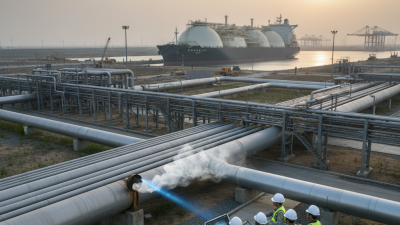
Identifying methane leaks in supply chains is essential for reducing emissions. Many industries rely on natural gas, which can leak during extraction, transportation, or storage. By identifying these leaks, companies can take meaningful steps to cut emissions. Regular monitoring of gas lines is crucial. A simple inspection can reveal issues that might otherwise go unnoticed. Check Gas Lines For Leaks to ensure safety and efficiency.
Agribusiness is another sector where leaks can occur. Livestock farming produces significant methane through animal waste. This waste management process often leads to emissions. Implementing better practices can help minimize these emissions. For instance, using anaerobic digesters can capture methane and convert it into energy. These technologies may seem daunting, but they can lead to substantial long-term benefits.
To further reduce methane emissions, collaboration across supply chains is vital. Buyers and suppliers must communicate openly about their practices. Sharing insights can lead to improved leak detection and prevention strategies. Identifying leaks as a team fosters accountability and continuous improvement. It’s important to remember that even small leaks add up over time, making proactive measures indispensable.
Top 5 Methane Leak Sources in Supply Chains
Strategies for Global Buyers to Monitor Methane Emissions Effectively
Monitoring methane emissions is critical for global buyers aiming to reduce their environmental footprint. Effective strategies can mitigate methane leaks significantly, given that these emissions are 25 times more potent than CO2 over a 100-year period. According to the International Energy Agency, about 40% of methane emissions from oil and gas could be avoided using current technology.
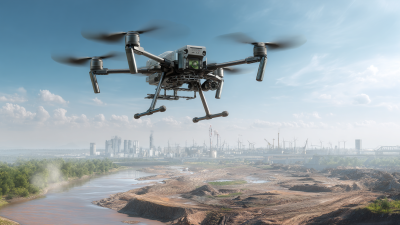
Utilizing remote sensing technology is one effective method. Satellite systems can identify leaks from vast areas in a short amount of time. They provide real-time data, which is crucial for timely intervention. Implementing continuous monitoring systems, such as drones equipped with infrared cameras, can also create an accurate picture of emissions from specific sites.
Establishing a robust reporting system is essential too. Buyers must communicate emission data transparently. Engaging with third-party experts can provide an objective assessment. While achieving perfect monitoring is challenging, ongoing audits and adapting to advancements in technology can lead to better results over time. Recognizing the limitations of current approaches is vital for effective mitigation strategies.
Best Practices for Reducing Methane Leaks in Procurement Processes
Reducing methane leaks during procurement is crucial. Buyers should prioritize suppliers who track their emissions. Transparency in practices can greatly enhance accountability. Engaging with producers to understand their Methane Gas management strategies is also vital.
Investing in technologies that monitor methane emissions throughout the supply chain can be revolutionary. For instance, real-time leak detection systems provide immediate data. This allows buyers to react swiftly. However, not all companies have the budget for such technology.
Collaboration is essential. Buyers should encourage best practices among suppliers. Sharing knowledge on emission reduction can create a more sustainable supply chain. It might not be easy. Some suppliers may resist change, leading to setbacks. Yet, fostering a culture of sustainability is a step forward. Reflecting on past procurement practices can also highlight areas for improvement.
Collaborating with Suppliers to Mitigate Methane Emissions
Collaborating with suppliers is essential for reducing methane emissions in global supply chains. According to a 2021 report by the Global Methane Initiative, methane accounts for about 25% of the current global warming. This gas is far more potent than CO2 over a short time. Suppliers can provide valuable insights into their processes and areas where emissions can be minimized.
Regular communication can unveil opportunities to implement Methane Laser technologies. These technologies can identify leaks that often go unnoticed. The International Energy Agency estimated that nearly 60% of methane emissions in the oil and gas sector could be mitigated with accurate monitoring and timely repairs. Engaging suppliers in methane reduction discussions promotes accountability and encourages best practices across the board.
However, challenges exist. Some suppliers may lack awareness or prioritize short-term profits over emissions reductions. Building a culture of openness and innovation is vital. This requires investing in training and tools that support emission detection and reduction. Expecting suppliers to embrace this collaboration reflects a commitment to sustainability and future-focused business strategies.
Leveraging Technology for Efficient Methane Leak Detection
Reducing methane emissions is a pressing issue. Advanced technology plays a vital role in identifying leaks efficiently. The use of drones equipped with infrared cameras has become increasingly popular. These drones can swiftly survey large areas and pinpoint leaks in real time. Traditional methods often miss small leaks, leading to significant emissions over time.
In addition to drones, IoT devices are transforming leak detection. These sensors continually monitor pipelines, providing instant alerts on anomalies. This allows companies to address issues before they escalate. However, relying solely on technology can be problematic. Organizations must also ensure regular maintenance of their systems.
Human oversight is crucial. Skilled technicians are needed to interpret data from these technologies accurately. Misinterpretations can lead to unnecessary repairs or missed leaks. Furthermore, investing in employee training can bridge the gap between technology and human expertise. Companies should reflect on their current practices and adapt accordingly. Only through a balanced approach can methane emissions be effectively reduced.
Evaluating the Economic Benefits of Reducing Methane Emissions
Reducing methane emissions can lead to notable economic benefits. Implementing efficient methane detection systems can save substantial costs in the long run. Many industries face the challenge of managing resources effectively while minimizing their carbon footprint. Leveraging advanced Methane Detector technologies can significantly decrease gas leaks, reducing both waste and financial loss.
Global buyers must prioritize the adoption of these technologies. Investing in reliable detection systems allows companies to identify leaks quickly. This proactive approach can prevent costly damage and reinforce a company’s commitment to sustainability. Additionally, improved detection boosts compliance with environmental regulations, minimizing potential penalties.
Despite these advantages, many companies still overlook the importance of methane reduction. Economic pressures and a lack of awareness can lead to complacency. It is essential for businesses to engage in continuous evaluation of their practices. This reflection can reveal new opportunities to enhance their emission strategies and achieve better financial outcomes.
Innovative Non-Contact Methane Detection: Unveiling the Future of Real-Time Gas Monitoring Solutions
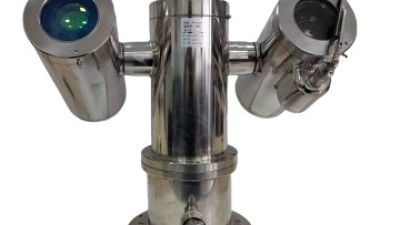
The future of gas monitoring is here with the innovative non-contact methane detection solution that promises to revolutionize how industries manage workplace safety. Utilizing the advanced laser absorption spectrum detection technology, this system stands out for its ability to perform automatic scanning and monitoring without the need for physical contact. This feature not only enhances safety by eliminating the risks associated with traditional detection methods but also streamlines the process of monitoring gas concentrations in real-time.
Equipped with sophisticated video surveillance and control systems, users can easily track methane concentration levels at various sites, ensuring a comprehensive understanding of gas presence and potential leaks. This advanced monitoring solution not only identifies the exact locations of gas leaks but also guarantees reliability and high performance over extended periods. Its adaptability allows for both fixed installations and mobile use in vehicles, making it suitable for a wide range of applications across multiple locations. As industries continue to prioritize safety and efficiency, this innovative product stands out as a vital tool for effective methane management in diverse environments.
FAQS
: It is crucial for enhancing sustainability and accountability in supply chains.
Buyers should prioritize suppliers who actively track and report their emissions.
Drones with infrared cameras are effective in surveying large areas quickly.
No, many companies face budget constraints that limit their options.
Collaboration fosters knowledge sharing and encourages sustainable practices among suppliers.
Skilled technicians ensure accurate interpretation of data, preventing costly mistakes.
Yes, reflecting on past practices can reveal opportunities for better strategies.
They provide continuous monitoring and instant alerts about anomalies in pipelines.
Some suppliers may resist change, which could result in setbacks.
Training bridges the gap between technology and expertise, enhancing overall effectiveness.
Conclusion
The article "Top 5 Methane Leaks Tips for Global Buyers to Reduce Emissions" addresses the significant environmental impacts of methane emissions and highlights the importance of proactive measures to curb these leaks. It identifies major sources of methane leaks within supply chains and emphasizes the necessity for global buyers to implement effective monitoring strategies. By adopting best practices during procurement processes and collaborating closely with suppliers, organizations can significantly mitigate emission levels.
Furthermore, the article encourages leveraging technology to enhance the detection and analysis of methane leaks, ultimately evaluating the economic benefits that arise from reducing these emissions. By prioritizing efficiency in managing methane leaks, global buyers can not only contribute to environmental sustainability but also realize cost savings, making it a win-win situation for both the planet and business operations.